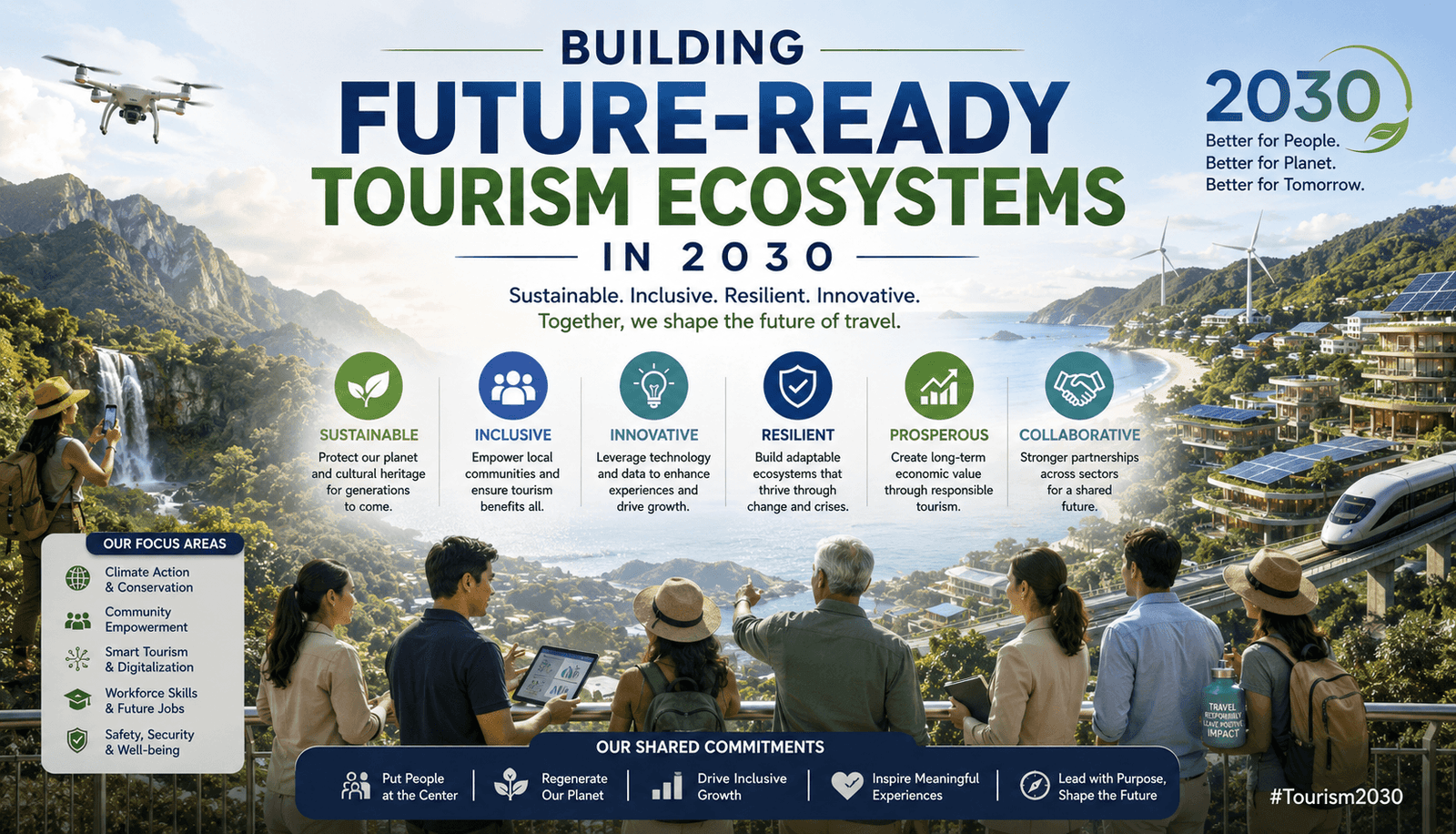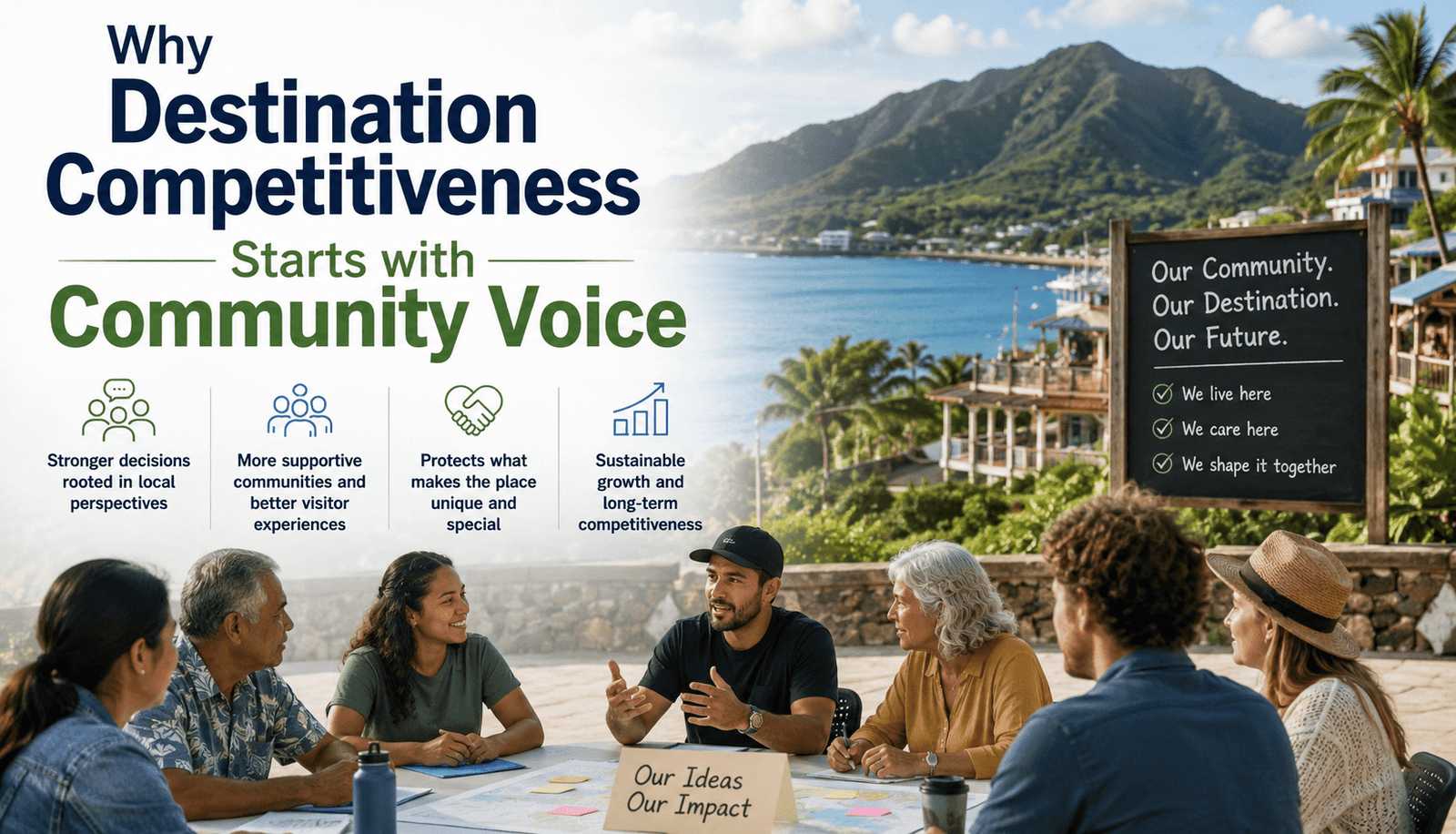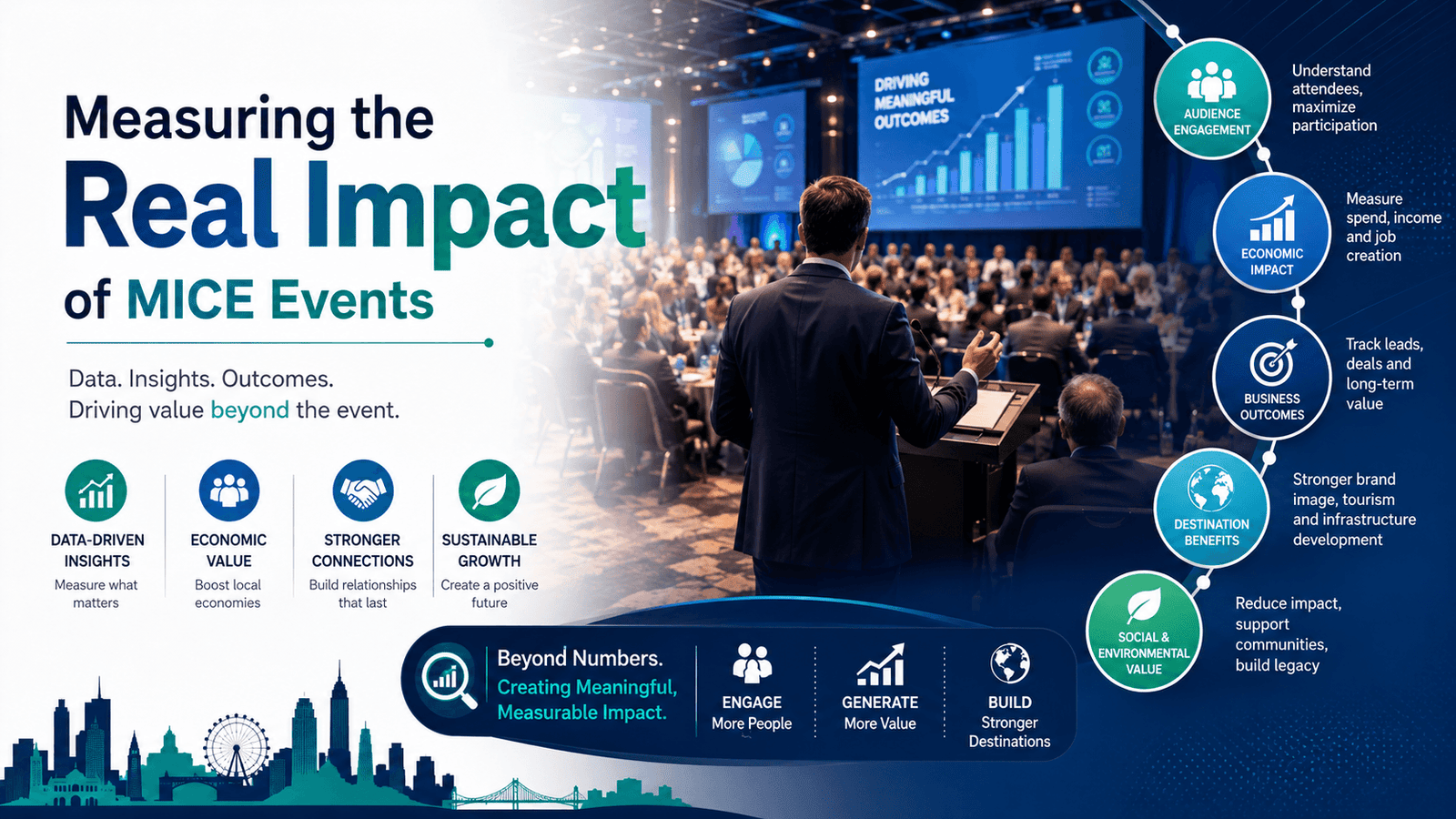
Tourism and hospitality are people-driven industries, yet one of the biggest challenges remains the gap between what students learn in classrooms and what employers expect in the workplace.
A degree provides the foundation. But industry exposure builds readiness.
The future workforce will need much more than traditional tourism knowledge. According to the World Economic Forum, almost 40% of workers' core skills are expected to change by 2030, with AI and big data, technological literacy, analytical thinking, creative thinking, resilience, and lifelong learning becoming increasingly important.
For tourism, this means students need to understand not only how tourism works, but how the industry actually operates.
Learning Beyond the Classroom
Out-of-classroom learning can transform students from passive learners into active participants.
Industry visits, internships, live projects, destination research, guest lectures, event participation, field surveys, case studies, and interaction with industry professionals allow students to experience real situations—customers, deadlines, technology, teamwork, service quality, problem-solving, and professional behaviour.
This experience helps students understand the difference between a textbook concept and its application in the workplace.
The Supply–Demand Challenge
The scale of the opportunity makes this urgent. WTTC estimates that Travel & Tourism supported 357 million jobs globally in 2024 and projects 91 million additional roles by 2035. At the same time, it forecasts a potential 43 million-worker global shortfall, including an estimated 11 million shortfall in India.
The challenge, therefore, is not simply producing more graduates.
It is producing graduates with the right skills.
What Should Change?
Tourism education needs stronger integration of:
- Industry-oriented curriculum and practical assignments
- Digital, AI and data literacy
- Sustainability and environmental skills
- Customer experience and service excellence
- Communication, leadership and teamwork
- Entrepreneurship and problem-solving
- Destination and community-based learning
- Real industry projects and internships
Employers increasingly need people who can think, communicate, adapt, use technology and solve problems—not simply reproduce what they learned in an examination.
Industry → Academia → Talent → Industry
This is where we see a powerful proposition:
Industry communicates emerging needs, skills, technologies and workplace realities.
Academia translates these insights into curriculum, learning experiences and research.
Talent gains practical knowledge, exposure and confidence.
Industry receives professionals who are better prepared to contribute from day one.
This should not be a one-time intervention. It needs to become a continuous feedback loop.
At DTORR, we believe the strongest tourism education happens when the classroom and the industry are connected.
Because the students learning tourism today are not simply preparing for their first job.
They are preparing to shape the tourism industry of tomorrow.