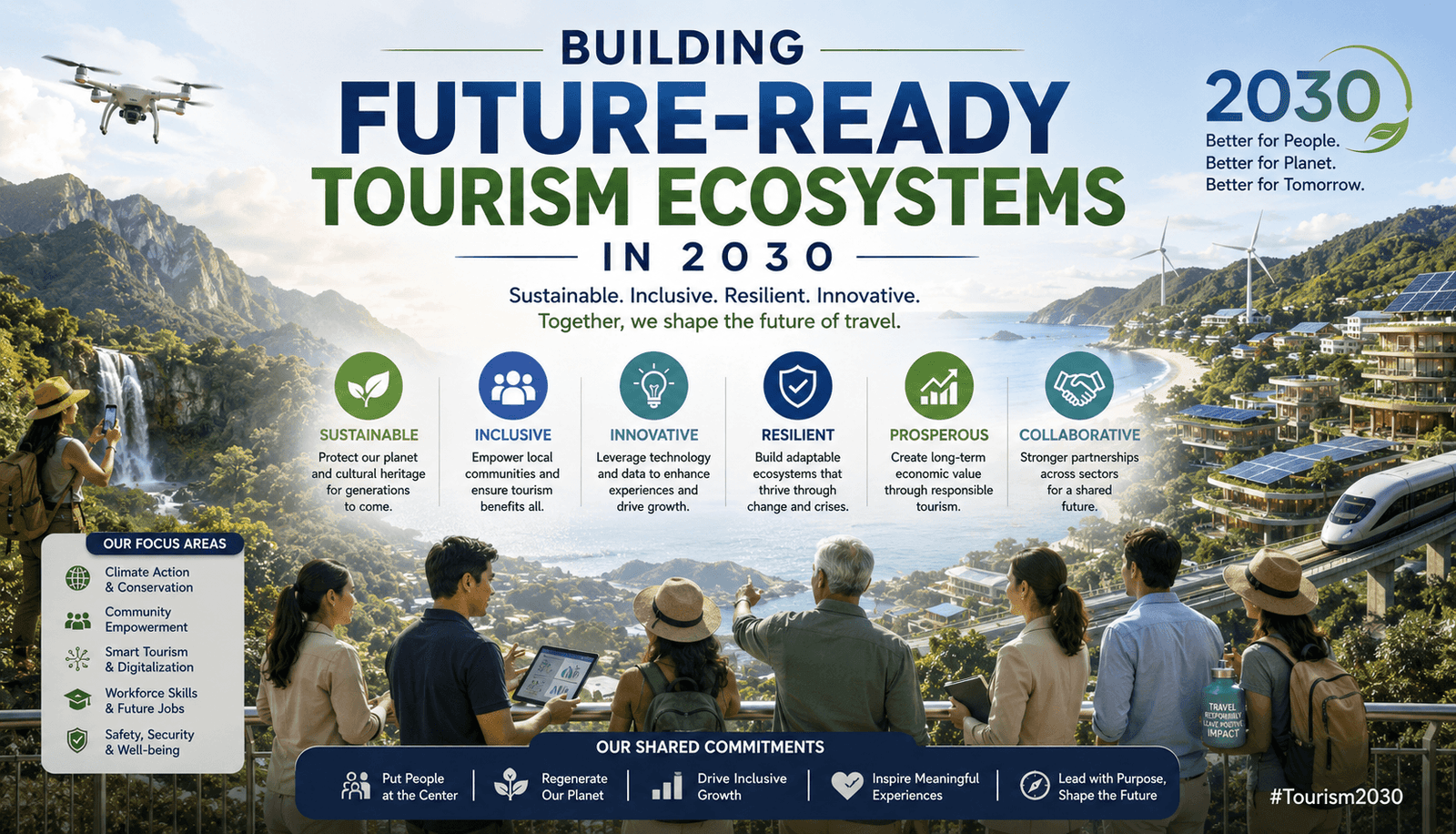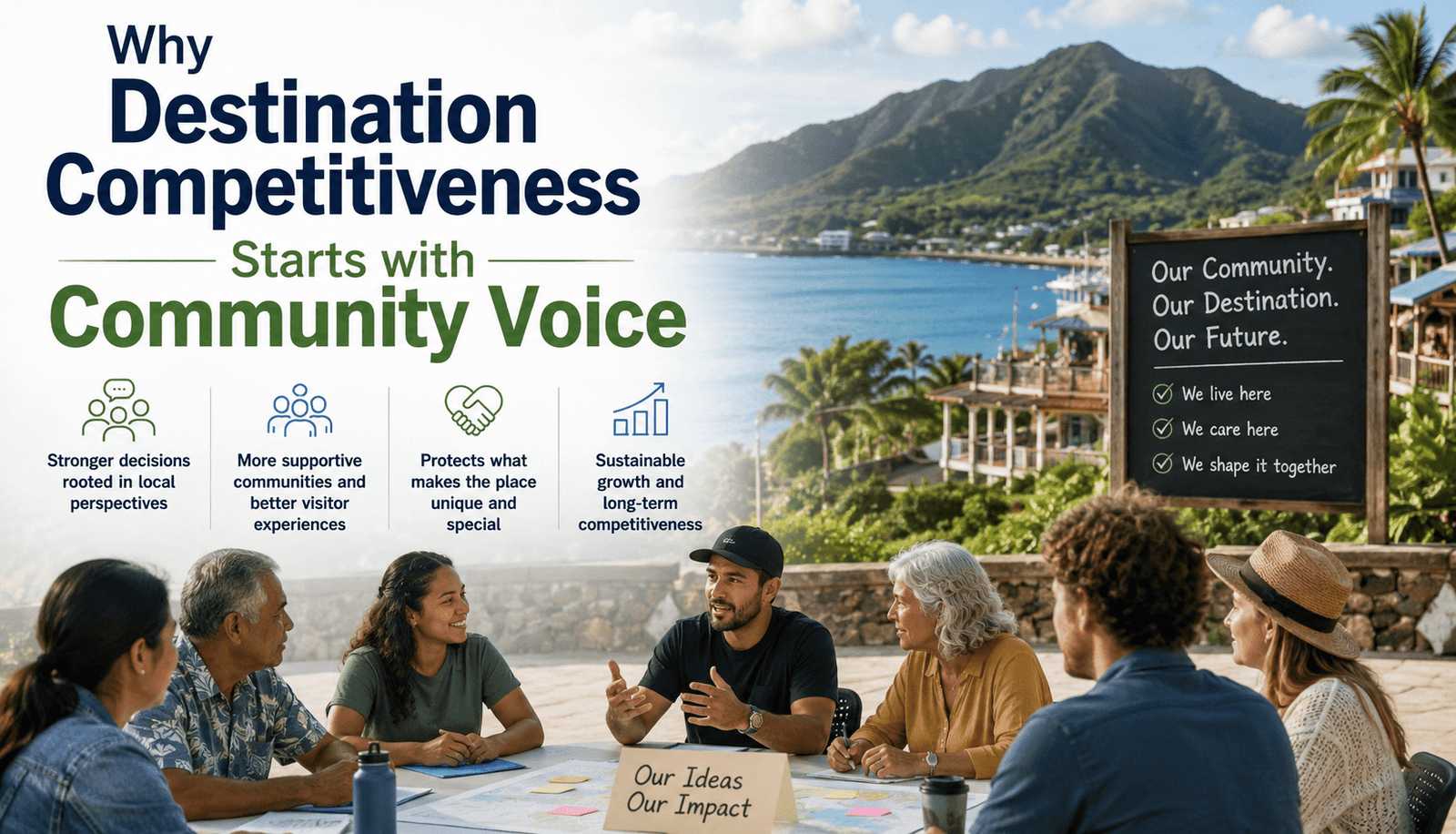
A destination is more than its attractions, hotels and infrastructure. Its strongest competitive advantage is often the people who live there.
As tourism becomes more experience-driven and sustainability-focused, destinations need to understand what communities want, what they can offer, and where tourism benefits are reaching—or missing—them.
The global movement is already visible. Since 2021, UN Tourism's Best Tourism Villages initiative has received 1,000+ applications from 100 countries, creating a network of 319 rural destinations across 65 countries.
India is showing the way
Sikkim is a strong example. The state has 1,908 registered homestays with capacity for around 15,500 visitors per day, while its Mega Homestay Initiative aims to add another 1,000 community-based homestays.
Community-based initiatives such as Kewzing and Dentam in Sikkim, village tourism in the Himalayas, and conservation-linked tourism in destinations such as Mangalajodi, Odisha, demonstrate how local knowledge can become an economic and visitor-experience asset.
The lesson is simple:
Community participation should not begin after a tourism project is designed. It should begin while the destination is being designed.
Community voices can help destinations understand:
- What visitors actually experience
- Where services and infrastructure fall short
- Which local experiences can be developed
- How tourism income can reach more people
- What cultural and environmental assets need protection
For DTORR, community voice is destination intelligence. Combining it with visitor feedback, business data and government insights can help destinations become more competitive, inclusive, resilient and sustainable.
The future of destination competitiveness is not just about attracting more visitors.
It is about creating more value for the people and places that make the destination worth visiting.